Avoiding End of Season Burnout
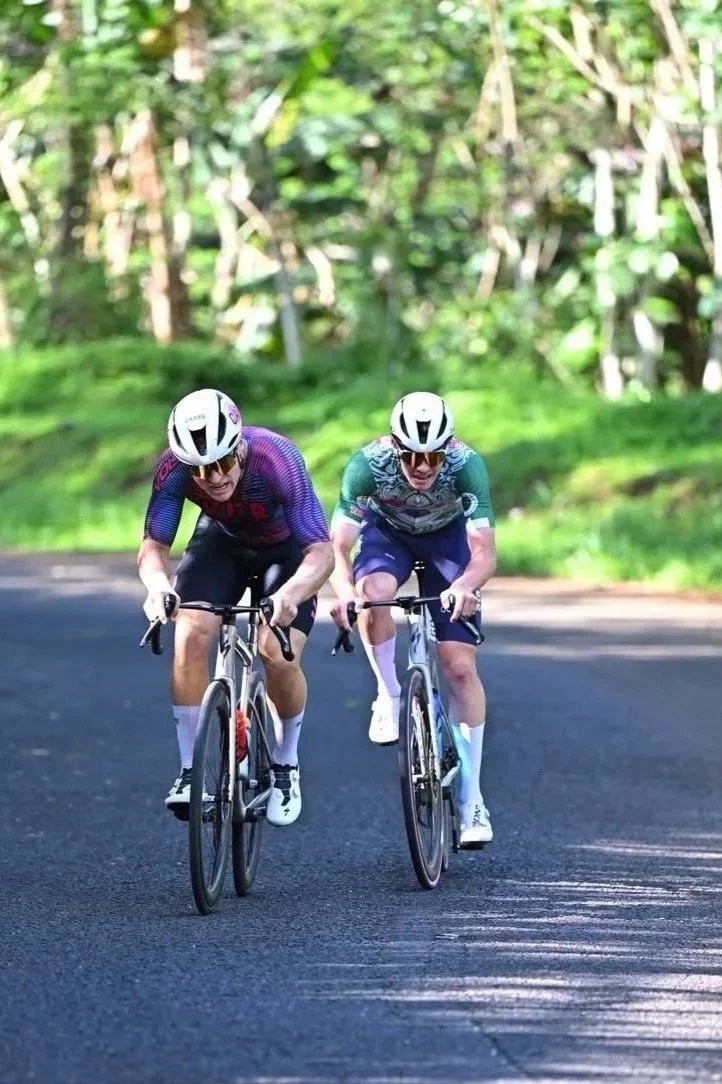
After months of structured training, long rides, intervals, racing, travel, and constantly trying to improve, the end of the season can bring a strange combination of relief and anxiety. You may be ready for a break, but taking time off can feel uncomfortable.
What if your FTP drops?
What if you lose your endurance?
What if everyone else keeps training while you back off?
These concerns lead many cyclists to make the same mistake: Continuing to train hard when what they really need is recovery.
The reality is that recovery isn't the opposite of training. It's part of training.
A well designed season includes periods of stress, adaptation, and recovery. The goal isn't to stay at peak fitness all year. The goal is to manage fatigue well enough that you can continue to train, perform, and enjoy cycling over the long term.
Burnout Is More Than Being Tired
Feeling tired after a hard training block or demanding race is normal.
The concern is when fatigue becomes persistent and begins affecting performance, motivation, mood, sleep, or your relationship with cycling.
Warning signs can include:
Persistent fatigue despite easier training
Declining performance
Poor sleep or difficulty feeling rested
Reduced motivation
Irritability or changes in mood
Dreading normally enjoyable rides
Feeling guilty about taking rest days
Constantly forcing yourself through workouts
Losing enthusiasm for racing
Research in sport consistently shows a relationship between chronic stress and burnout. A systematic review and meta-analysis of 48 studies found a moderate association between stress and athlete burnout.
For cyclists, this is particularly important because Training stress is only one part of total stress.
Work, family, travel, poor sleep, nutrition, and other life demands all influence how well you recover from training.
A workout that is manageable during a low stress week may be excessive during a week filled with travel, poor sleep, and work deadlines.
That's why training needs to be viewed in the context of the athlete, not just the training calendar.
Recovery Weeks Are Part of the Plan
One of the simplest ways to reduce the risk of burnout is also one of the most commonly overlooked:
Take recovery weeks before you need them.
Training creates a stimulus for adaptation, but it also creates fatigue. If additional training stress continues to accumulate without adequate recovery, fatigue can eventually outweigh the benefits of the training.
This is why structured training should include regular reductions in workload.
A recovery week may include:
Reduced training volume
Less high-intensity work
More easy aerobic riding
Additional sleep
More flexibility around the training schedule
Time away from structured workouts
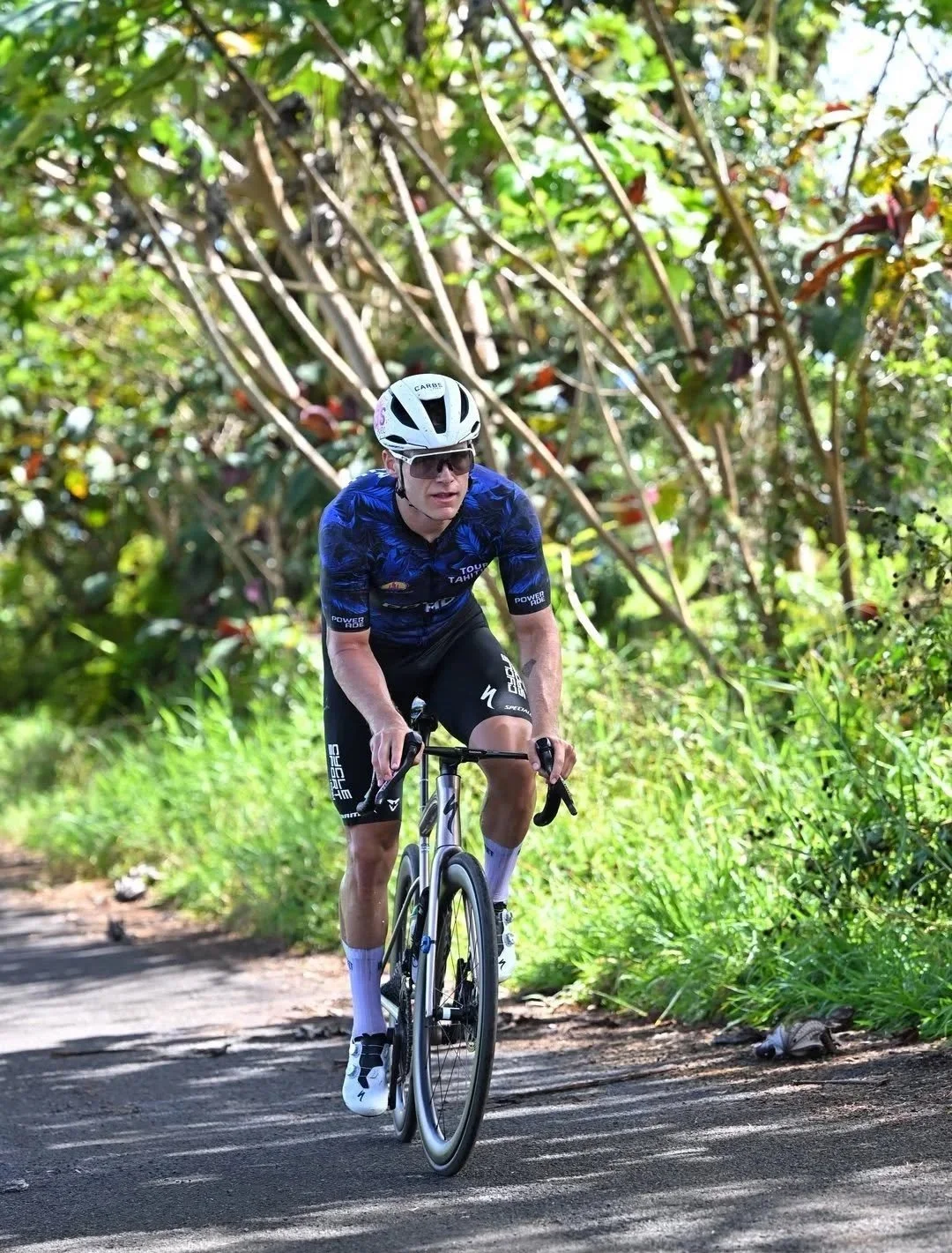
The exact approach should depend on the athlete and the preceding training block.
Recovery isn't a sign that training isn't working.
Recovery is when your body gets the opportunity to absorb the work you've already done.
Don't wait until the end of the season, recovery shouldn't be reserved for November.
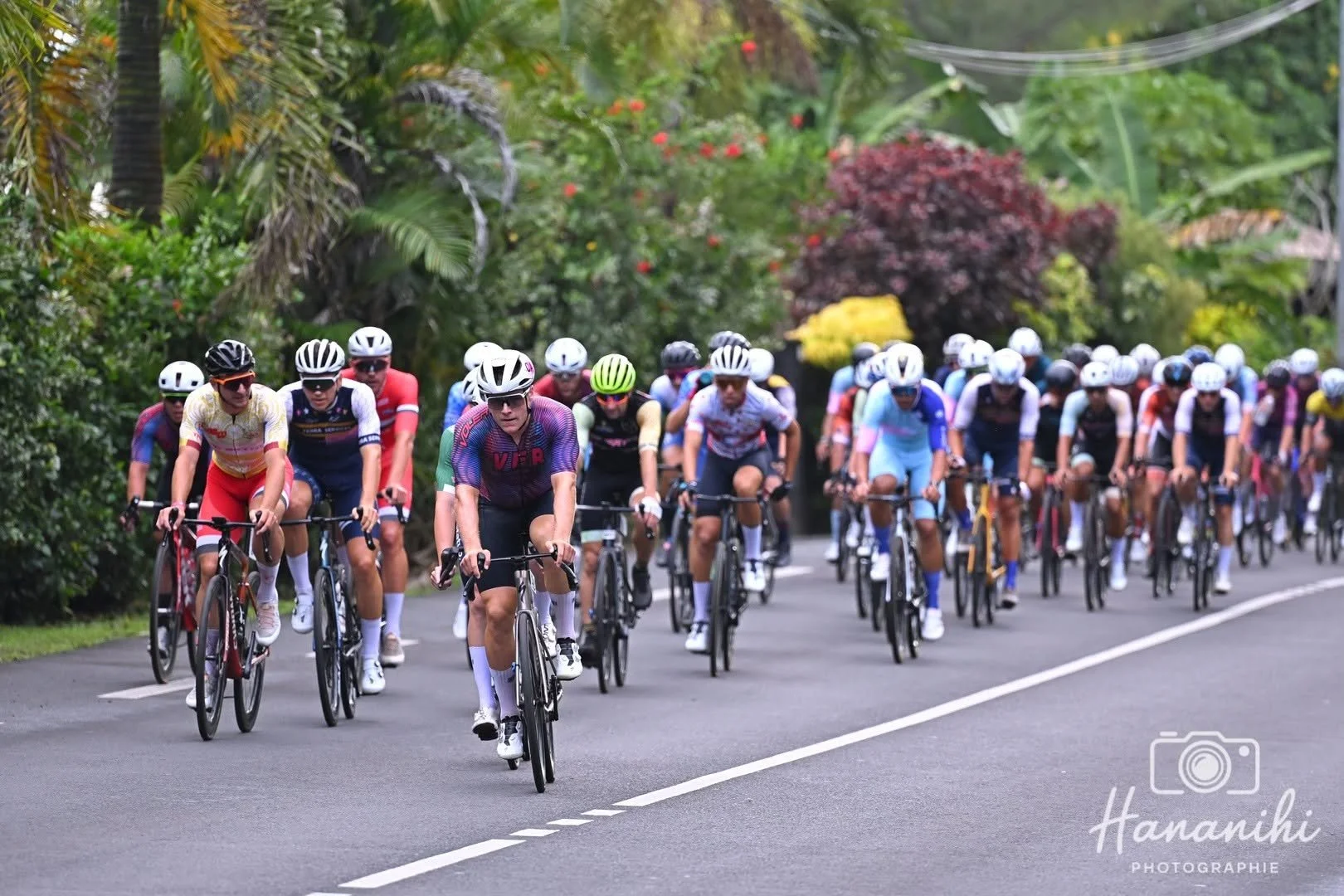
For cyclists with long racing seasons, a mid-season break can be an important tool for managing accumulated fatigue and maintaining motivation.
After several months of structured training and racing, stepping away from the demands of performance for several days or even a week or two can provide both physical and psychological recovery.
A mid-season break might mean:
Taking several days completely off the bike
Riding without power or heart rate targets
Sleeping more
Hiking or participating in another activity
Spending time with family and friends
Simply doing something that isn't measured by a Garmin, Wahoo, TrainingPeaks, or Strava
The purpose isn't to lose fitness.
The purpose is to make sure you have enough physical and mental resources to continue training effectively.
Trying to train continuously from January through October may look disciplined, but accumulated fatigue can eventually reduce the quality of the training you're able to complete.
Sometimes the most productive training decision is to temporarily do less.
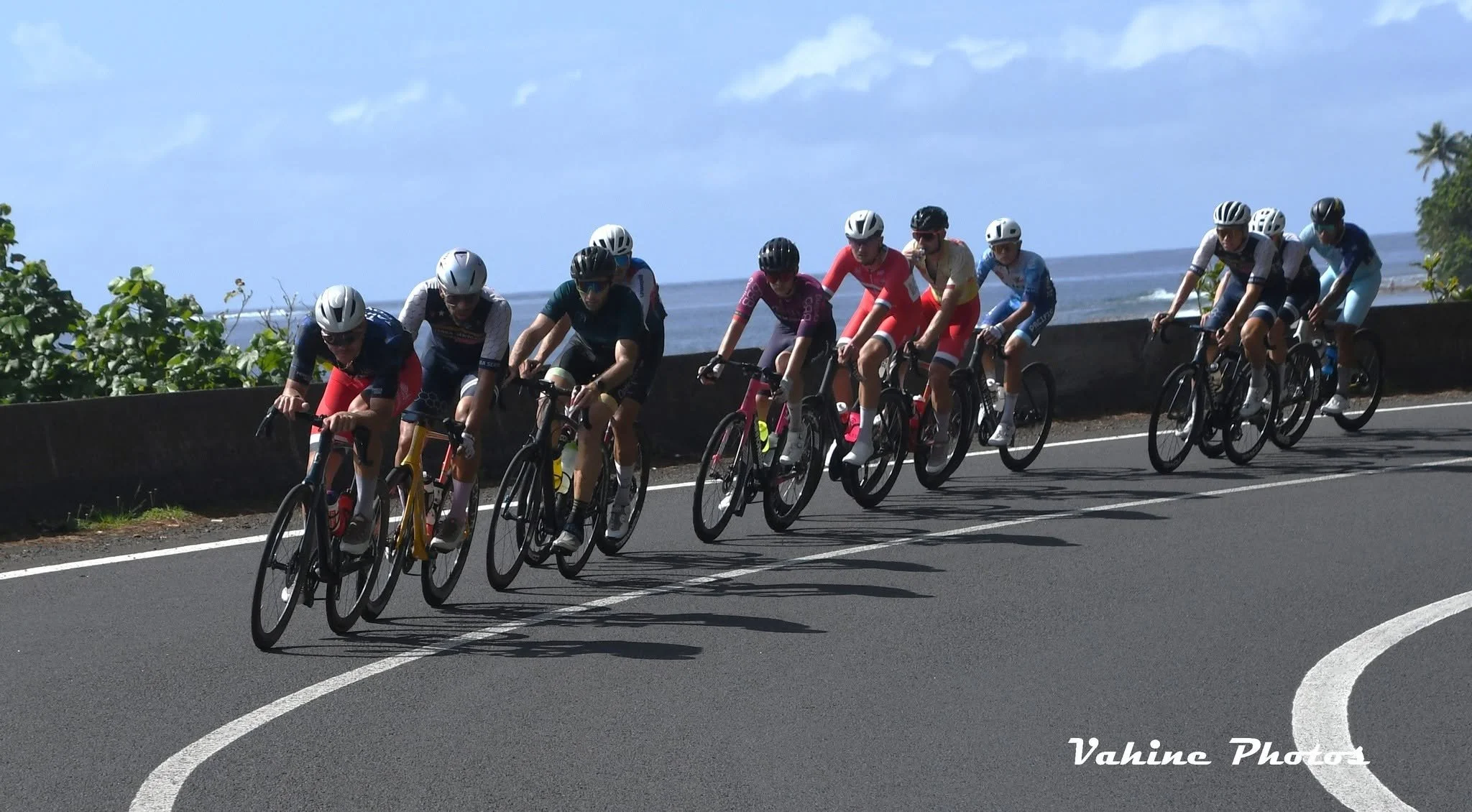
You Don't Lose Fitness Overnight
One of the biggest barriers to taking time off is the fear of losing everything you've built.
Fortunately, fitness doesn't disappear after a few easy days.
Research in trained cyclists has demonstrated that substantial reductions in training can preserve important measures of aerobic fitness and performance over relatively short periods. Conversely, prolonged complete inactivity can lead to reductions in VO₂ max, plasma volume, glycogen stores, and endurance capacity.
The important distinction is between, reducing training and completely stopping for an extended period.
You don't need to maintain your normal training load throughout the year to maintain your ability to train.
And you certainly don't need to turn every recovery period into another fitness test.
Recovery Isn't Just About Rest
Recovery is often marketed as though there is one secret strategy that will accelerate adaptation.
The reality is much simpler.
The fundamentals remain the foundation:
Adequate sleep
Sufficient energy and carbohydrate intake
Adequate protein
Hydration
Appropriate training load
Planned recovery
Psychological recovery
Time away from structured training
A 2024 umbrella review examining recovery strategies in endurance athletes found that different recovery interventions have different effects depending on the strategy and outcome being measured.
In other words, don't let expensive recovery tools distract from the basics.
If you're sleeping five hours a night, under-fueling your training, and accumulating too much fatigue, another recovery gadget isn't going to solve the underlying problem.
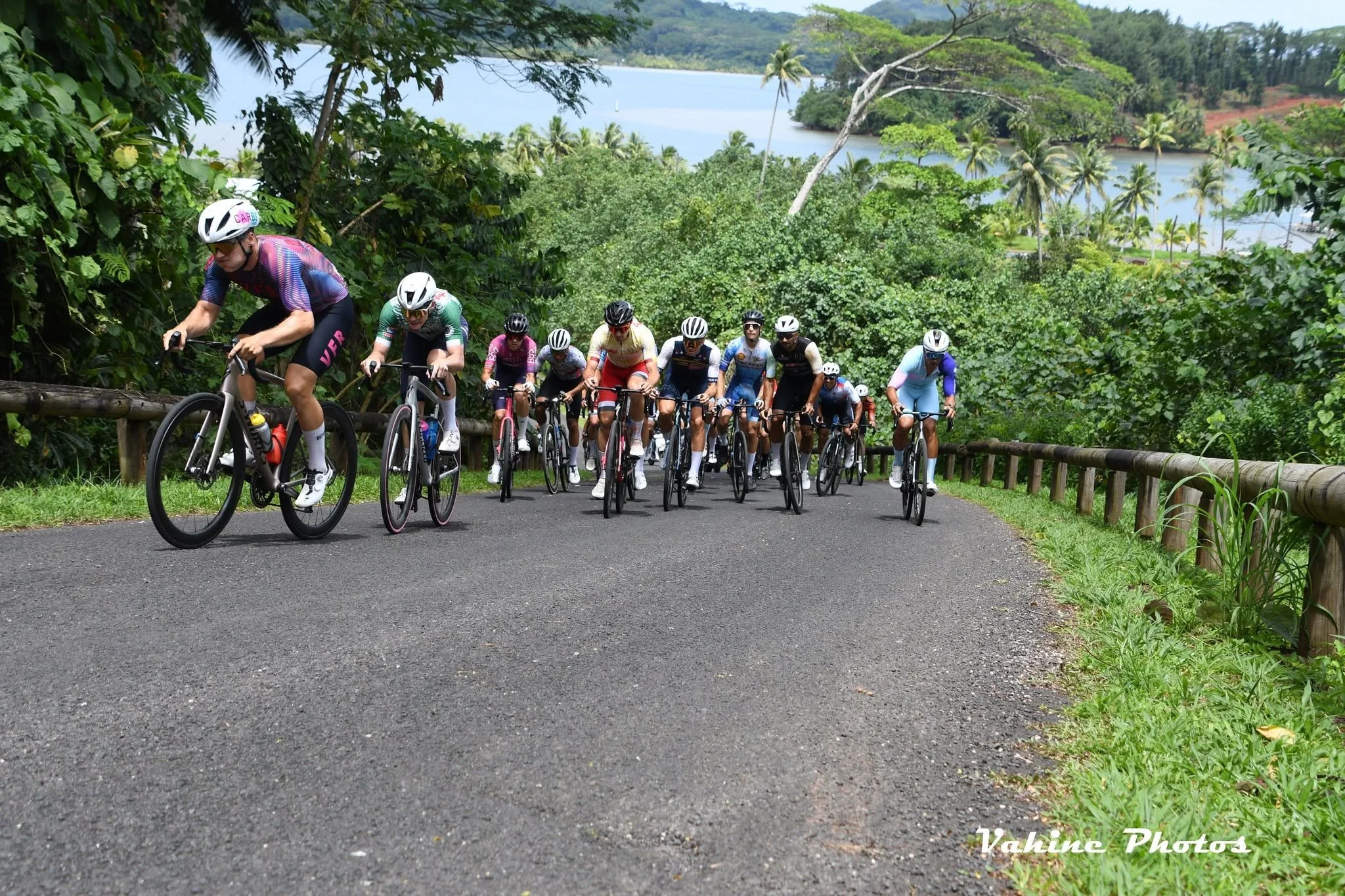
This Is Where Coaching Matters
A coach's job shouldn't simply be to fill your calendar with workouts.
Sometimes the best coaching decision is to do less.
Effective coaching means looking beyond the numbers and understanding the athlete behind them.
That includes considering:
Training history
Performance trends
Sleep
Subjective fatigue
Motivation
Life stress
Race schedule
Upcoming goals
Previous response to training
At AchievePTC, we believe training isn't about doing more for the sake of doing more. It's about applying the right training stimulus at the right time, and knowing when recovery needs to take priority.
Train hard when it's time to train. Recover when it's time to recover. And give yourself permission to enjoy being a cyclist, not just an athlete.
https://pmc.ncbi.nlm.nih.gov/articles/PMC1724429/
https://www.tandfonline.com/doi/full/10.1080/1612197X.2021.1987503